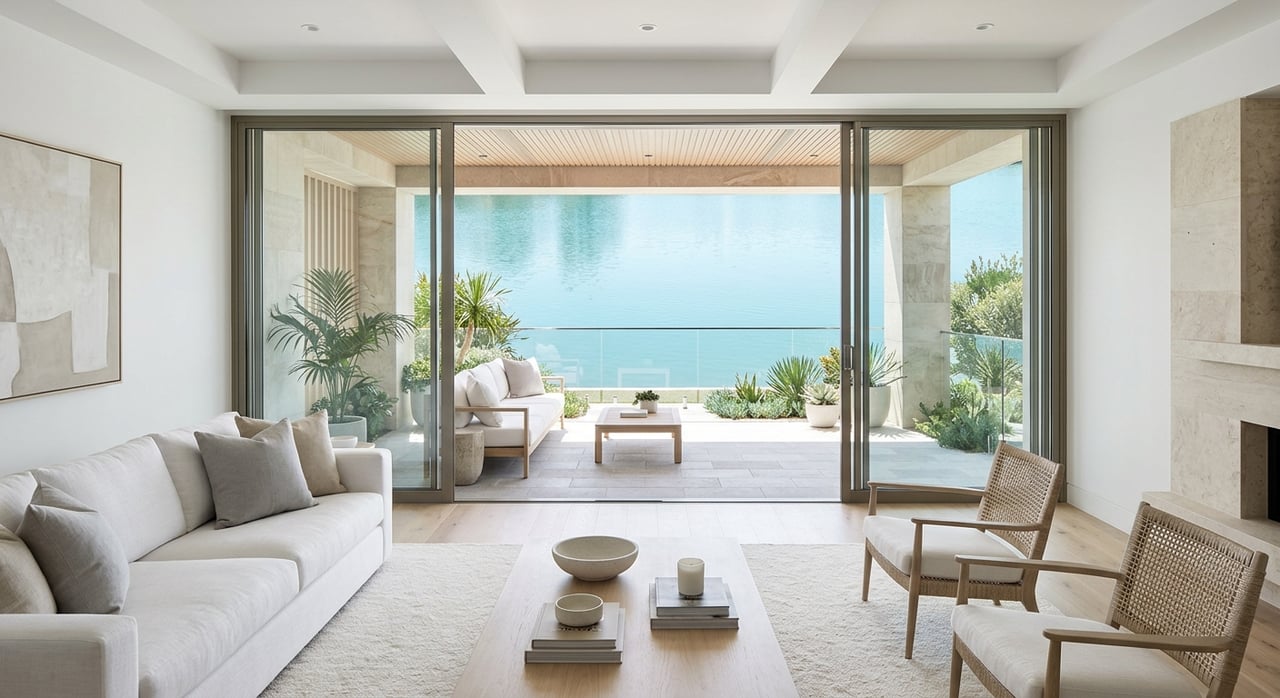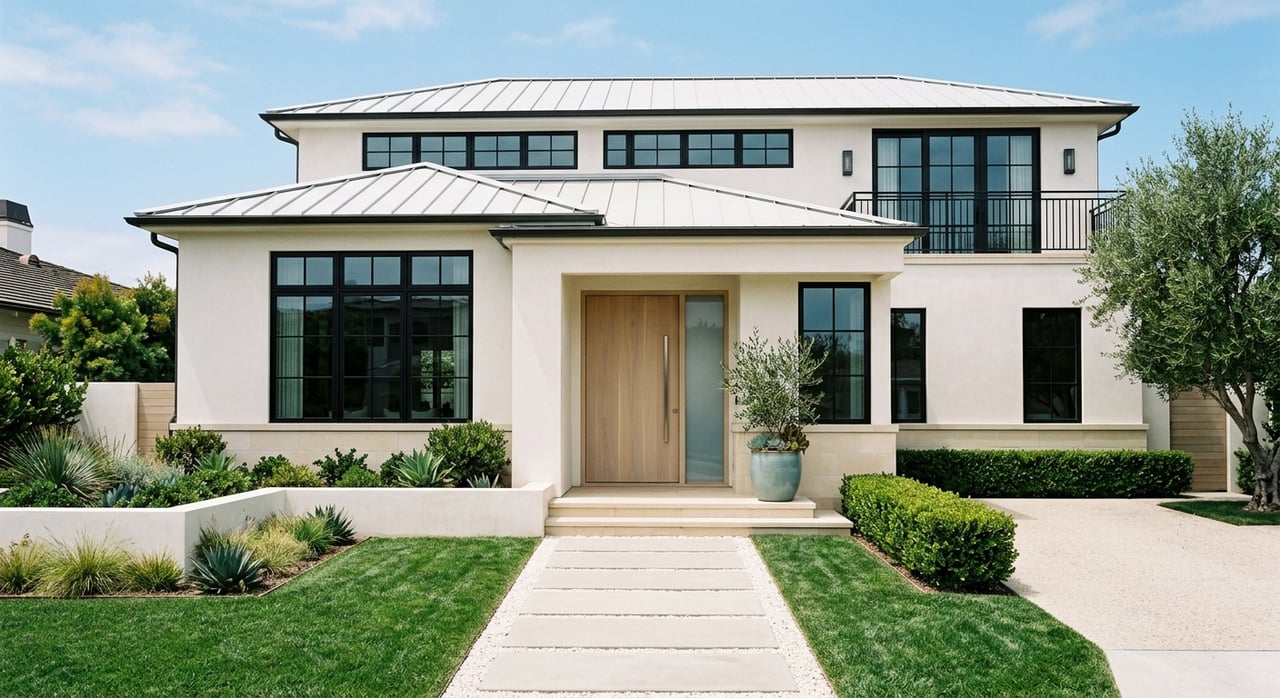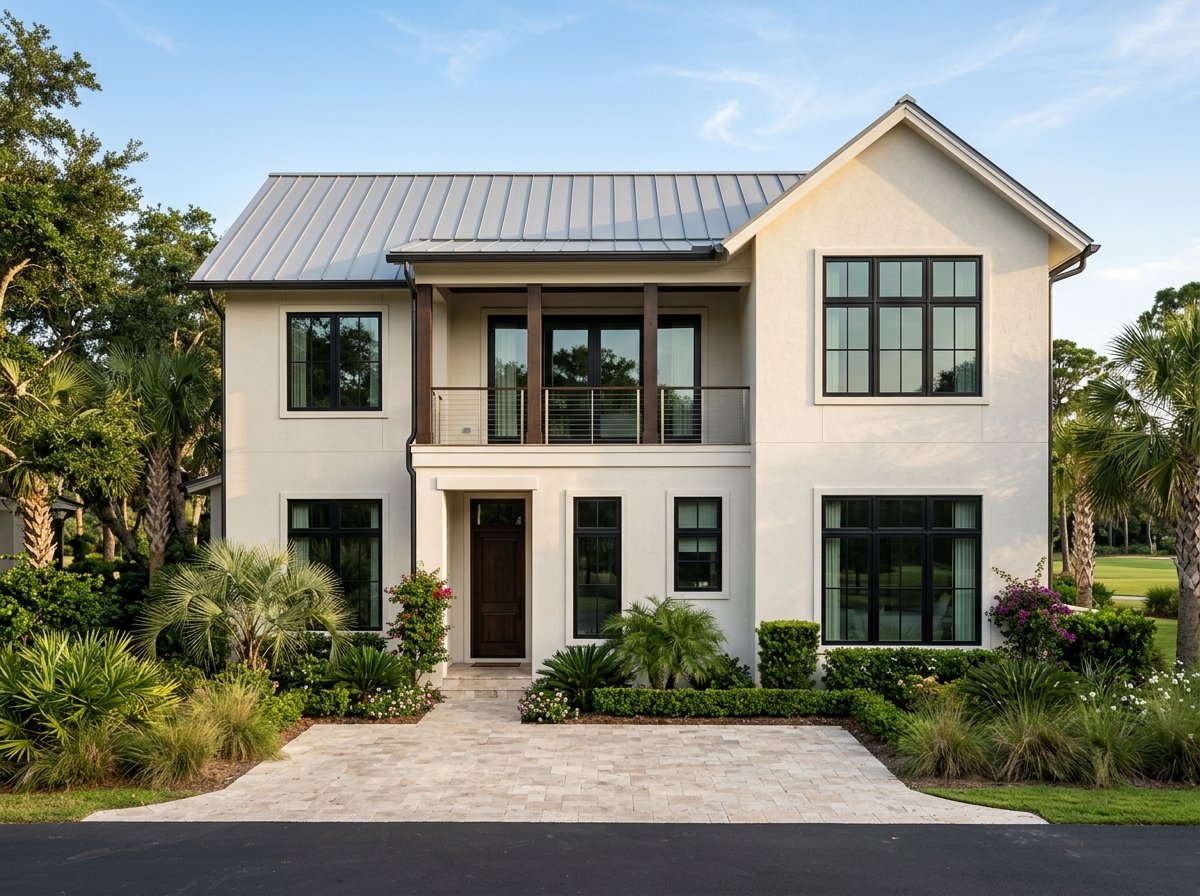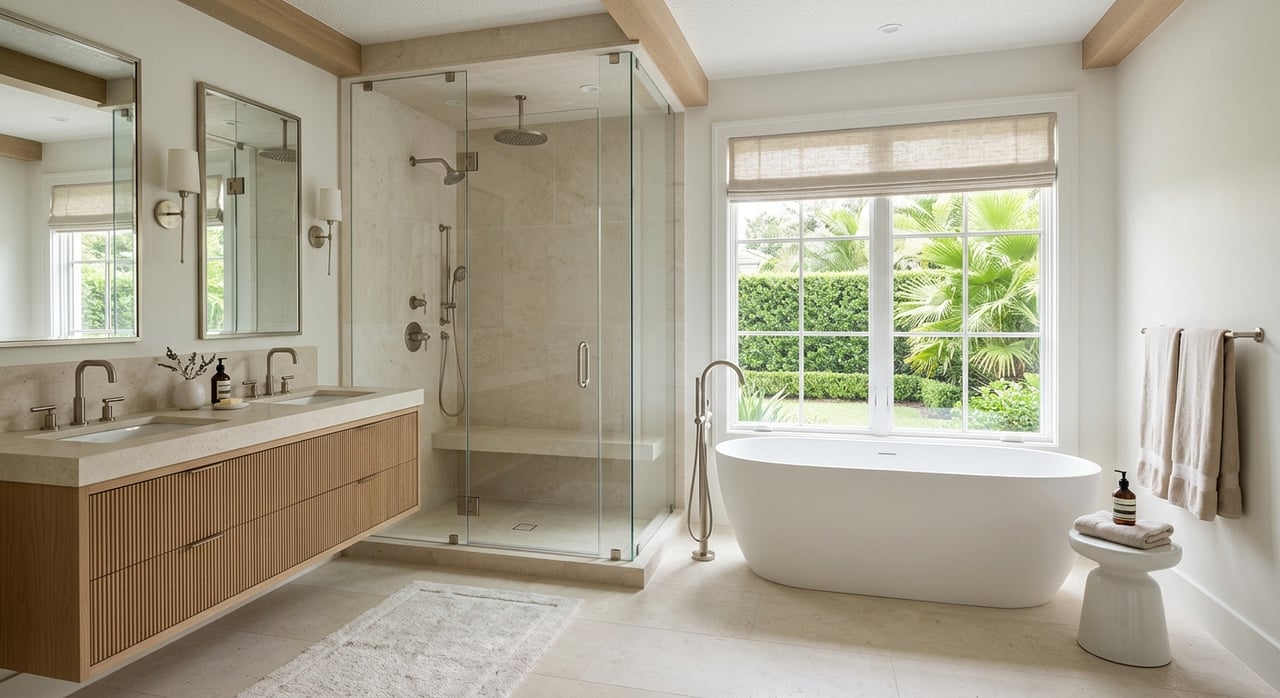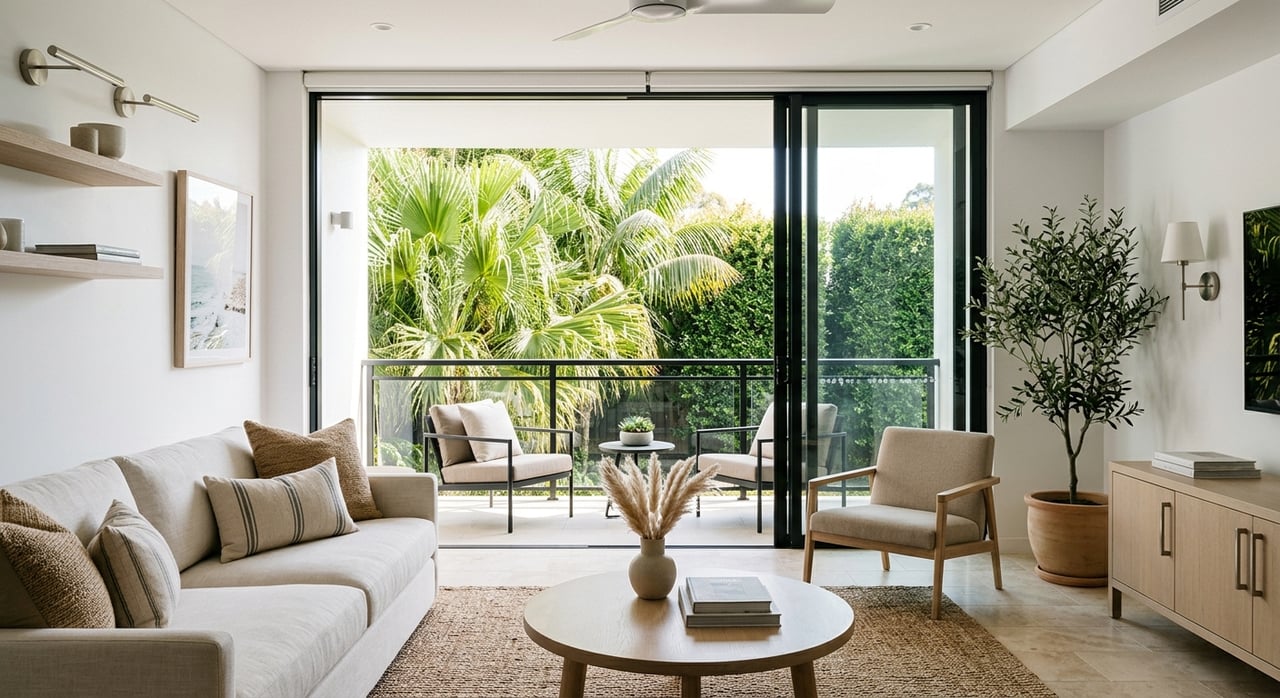
If you want a second home that feels like an actual getaway, not just another property to manage, Ponte Vedra Beach deserves a close look. Here, you get a coastal setting, a strong golf-club presence, and condo options that range from beach-access communities to larger gated buildings with more lock-and-leave convenience. If you are weighing lifestyle, carrying costs, and rental flexibility, this guide will help you focus on what matters most before you buy. Let’s dive in.
Why Ponte Vedra Beach Appeals
Ponte Vedra Beach is an unincorporated coastal community in St. Johns County, located between the Atlantic Ocean and the Intracoastal Waterway. The Sawgrass Association describes the area as a community of about 32,000 people, with St. Augustine about a 30-minute drive to the south.
For many second-home buyers, the draw is not just the beach. It is the combination of ocean access, established residential communities, and a well-known golf and club backdrop. That blend gives Ponte Vedra Beach a more defined lifestyle identity than a typical condo market.
The golf presence is a major part of that identity. TPC Sawgrass is located in Ponte Vedra Beach and is known as the Home of THE PLAYERS Championship, with 36 holes of championship golf. Nearby club properties such as Ponte Vedra Inn & Club and The Lodge & Club also shape the area’s resort feel.
Condo Options Vary Widely
One of the biggest mistakes second-home buyers make is assuming all Ponte Vedra Beach condos offer the same experience. In reality, the market includes beach-access communities, club-adjacent properties, and larger gated developments. Your best fit depends on how you want to spend your time here and how hands-on you want ownership to be.
Some buyers want to walk to the sand. Others care more about privacy, garage parking, or a larger floor plan for hosting guests. In Ponte Vedra Beach, you can find examples of each, but the tradeoffs matter.
Beach-Access Communities
In Sawgrass Country Club, Beach Club Villas includes 44 units in four buildings on the east side of Ponte Vedra Boulevard. Its official site notes that beach access is directly across the parking lot, which can be a strong fit if your goal is easy, frequent use of the shoreline.
That same example also shows why details matter. Beach Club Villas notes that renters have limited amenity access, with only the Sawgrass Community Pool available to renters. If rental use is part of your long-term plan, rules like that can affect both guest experience and property appeal.
Club-Adjacent, Lower-Density Living
If you prefer something that feels a bit more tucked away, The Innlet at Ponte Vedra Beach offers a different model. The community has 43 single- and two-story attached homes on nearly 9 acres, set around two lakes in a natural hammock.
Residents can walk or bike a short block across the community bridge over the Guana River to reach the Atlantic Ocean. The official site also notes that TPC Sawgrass, Sawgrass Country Club, and Ponte Vedra Inn & Club are nearby, which may appeal if you want easy access to the broader Ponte Vedra Beach lifestyle without being in a larger building.
Larger Gated Condo Buildings
Buyers who want more interior space and a traditional condo setup may lean toward larger developments. Ocean Grande is a 204-unit, three-story condo complex in the broader Ponte Vedra Beach and South Ponte Vedra market, with three-bedroom, three-bath floor plans starting at more than 2,000 square feet.
According to its official site, features include terraces, granite kitchens, private gated entry, garage parking, and a private walkway to Vilano Beach. For some second-home buyers, that kind of layout can work well when you plan to host family or stay for longer stretches during the year.
What Second-Home Buyers Should Compare
When you compare condos in Ponte Vedra Beach, price per square foot only tells part of the story. A better approach is to compare how each community handles access, maintenance, guest logistics, and owner flexibility.
Focus on practical questions like these:
- How easy is the beach access from the unit?
- Is the property low-rise, attached, or a larger condo building?
- What parking is available for owners and guests?
- Are there restrictions on tenant or guest amenity use?
- How much exterior maintenance is handled by the association?
- Does the setup fit quick weekend trips, long seasonal stays, or both?
The Sawgrass master community alone includes more than 30 neighborhoods with condos and waterways, plus Sawgrass Country Club’s 27 holes of championship golf and oceanfront Beach Club. That variety is a reminder that even within one broader area, ownership experiences can differ significantly.
Understand the True Cost of Ownership
For second-home buyers, condo dues are only one part of the carrying cost. Insurance, reserves, taxes, and possible assessments can all affect your annual budget.
A Florida condo owner typically needs an HO-6 policy for personal property and certain building items not covered by the association’s master policy. Florida’s Homeowners Insurance Toolkit also explains that associations may assess owners for common-area damage not covered by the master policy or reserves, and that HO-6 policies in Florida must include at least $2,000 in loss-assessment coverage.
That means a lower monthly condo fee does not always equal lower ownership risk. You want to understand what the association covers, how reserves are funded, and whether the building has any recent or pending major expenses.
Florida Inspection and Reserve Rules
Florida condo laws are especially important in older coastal buildings. Under Florida Statute 553.899, residential condo buildings that are three habitable stories or higher must complete milestone inspections at 30 years of age and every 10 years after that.
The law also allows local enforcement agencies to require the first inspection at 25 years when local conditions, including proximity to salt water, justify it. In addition, condominium associations must complete a Structural Integrity Reserve Study every 10 years, with initial deadlines applying to many existing associations.
Reserve funding can come through regular assessments, special assessments, lines of credit, or loans under Florida condo association rules. In practical terms, this means some older coastal condos may carry higher dues or face added reserve contributions that are not obvious from the listing price alone.
Property Taxes for Second Homes
Taxes are another place where second-home buyers need to be precise. According to the St. Johns County Property Appraiser, homestead exemption applies when a property is your primary residence and meets the county’s timing requirements.
For most second-home purchases, the safer starting assumption is that the condo will be taxed as a non-homestead property unless you later change your residency status. The county also notes that non-homesteaded properties have a 10% annual cap on assessed-value increases, excluding school board assessments.
Rental Rules Need a Close Read
If you plan to rent your condo when you are not using it, do not rely on general assumptions. County rules, tax rules, and community documents can all affect what is allowed and how the process works.
St. Johns County’s short-term vacation rental ordinance requires registration and annual renewal for qualifying short-term rentals, along with items such as a sample lease, a local business tax receipt, a DBPR transient public lodging license, and a Florida sales-and-use tax certificate. The county also states that each dwelling unit used as a short-term vacation rental must be registered separately.
At the same time, the county explicitly exempts short-term rentals in multi-family dwellings governed by a condominium association, HOA, or property owners association, or with on-site property management, from the county ordinance. That is helpful, but it does not mean an owner is free from other rental requirements.
Taxes Still Apply to Rentals
The St. Johns County Tax Collector says the current tourist development tax is 5% and applies to condos rented for six months or less. The office also states that owners or agents must obtain a sales tax ID, a business tax receipt, and a tourist development tax account.
Florida’s Department of Revenue rules, as summarized by the county tax guidance, also apply local option transient rental taxes to rentals or leases of condos and other accommodations for six months or less. If rental income is part of your ownership plan, this is an area where early review can save you headaches later.
Community Rules May Be Tighter
Association documents may be more restrictive than county policy. The Sawgrass Association rules include separate procedures related to renters and guest access, and Beach Club Villas states that renters have limited pool access.
For a second-home buyer, that means rental friendliness is never just a yes-or-no question. You need to confirm the minimum lease period, how guests and tenants access the gate, what amenities they may use, and whether there are parking or registration steps that could affect convenience.
A Smart Condo Due Diligence Checklist
Before you move forward on a Ponte Vedra Beach condo, take a structured approach. This helps you compare options clearly and avoid surprises after closing.
Here is a practical checklist:
- Confirm whether the community allows seasonal rentals, short-term rentals, or neither
- Review association rules for guest access, parking, and tenant amenity use
- Ask whether the building has recent milestone inspection documents, if applicable
- Request the most recent Structural Integrity Reserve Study, if applicable
- Check for current or pending special assessments
- Review the budget, reserves, and recent dues history
- Clarify what the association master policy covers versus what your HO-6 policy must cover
- Estimate taxes using non-homestead assumptions if the property will remain a second home
For many buyers, the right condo is the one that supports the way you actually plan to use it. That may mean true lock-and-leave ease, simple beach access, room for extended stays, or a community with rules that align with your rental goals.
Ponte Vedra Beach offers several paths to that lifestyle, but the details matter. When you evaluate each community through the lens of access, ownership costs, and rental restrictions, you are much more likely to end up with a second home that feels effortless instead of complicated.
If you want tailored guidance on Ponte Vedra Beach condos, private opportunities, or the questions to ask before you buy, connect with Tyler Ackland & Susan Fort. Their boutique, hyper-local approach can help you evaluate options with clarity and confidence.
FAQs
What makes Ponte Vedra Beach condos appealing for second-home buyers?
- Ponte Vedra Beach offers a mix of coastal access, golf-oriented surroundings, and condo communities that range from beach-access villas to larger gated buildings, giving you several lifestyle options in one market.
What ownership costs matter for a Ponte Vedra Beach second-home condo?
- In addition to condo dues, you should review HO-6 insurance needs, reserve funding, possible special assessments, and non-homestead property tax treatment.
What Florida condo rules should buyers check before buying in Ponte Vedra Beach?
- Buyers should review whether the building is subject to milestone inspection requirements, whether the association has completed a Structural Integrity Reserve Study, and how reserves are being funded.
What rental rules apply to Ponte Vedra Beach condos used as second homes?
- Rental rules can involve county requirements, tax obligations for rentals of six months or less, and association-level restrictions on lease terms, guest access, parking, and amenity use.
What should buyers review in Ponte Vedra Beach condo documents?
- You should review the governing documents, budget, reserve information, any current or pending assessments, rental restrictions, and policies affecting owners, guests, and tenants.