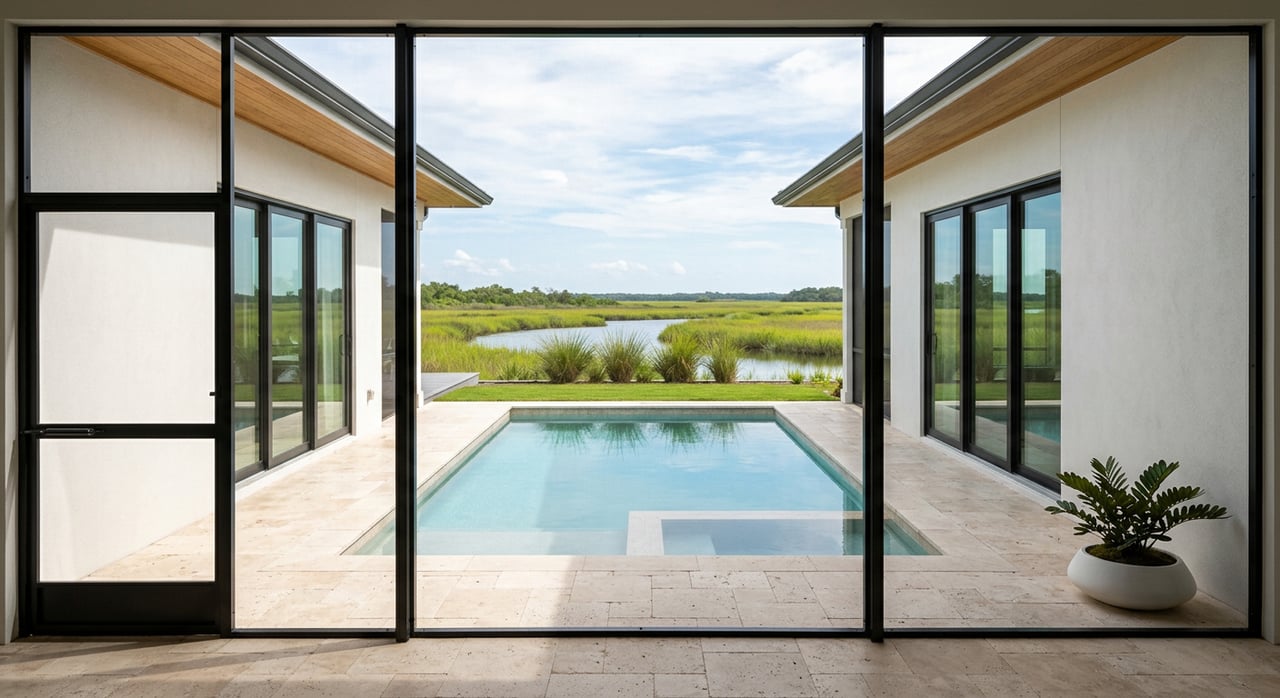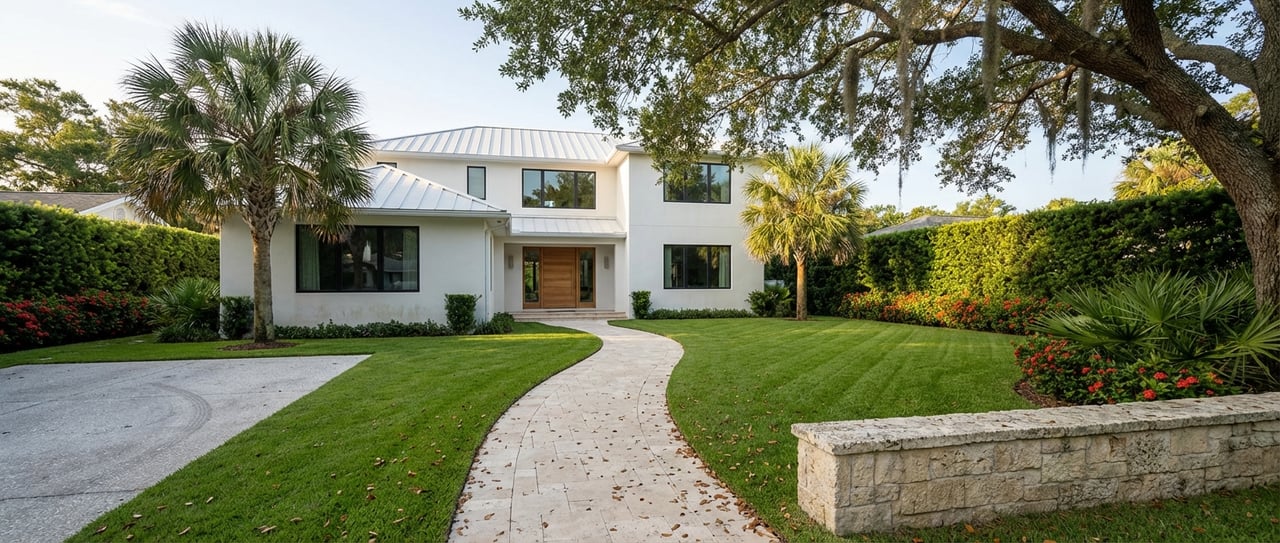
Sunrise over the Atlantic or sunset over the 18th green? In Ponte Vedra Beach, you can choose a home that puts you steps from the sand or inside a world-class golf and club lifestyle. If you’re weighing both options, you’re not alone. Many buyers love this area for its rare mix of oceanfront neighborhoods and master-planned golf communities.
In this guide, you’ll compare home types, amenities, costs, risks, and resale value so you can pick the setting that fits your life. You’ll also get a practical due diligence checklist and trusted local resources to pull current numbers. Let’s dive in.
Ponte Vedra Beach at a glance
Ponte Vedra Beach sits in St. Johns County on Florida’s northeast coast, just southeast of Jacksonville and north of St. Augustine. The area spans oceanfront neighborhoods along A1A and inland communities built around private and semi-private golf clubs.
Local anchors shape daily life. Golf lovers know the Stadium Course and clubhouse at TPC Sawgrass as a global destination. The historic Ponte Vedra Inn & Club anchors the beachfront resort and private club scene. Public schools are served by the St. Johns County School District, which many relocating families research during their home search.
If you want real-time market context, lean on local sources. Regional trends are tracked by Florida Realtors and the association for our region, NEFAR. For individual property histories, the St. Johns County Property Appraiser is the official record.
What you get: coastal vs golf homes
Coastal homes
- Single-family oceanfront homes on or near A1A, often with direct or deeded beach access.
- Oceanfront and near-ocean condominiums and low-rise buildings, typically with condo HOAs and shared maintenance.
- Cottages and townhomes in barrier island pockets and along the Intracoastal Waterway.
- Infill and new construction opportunities near the beach when lots become available.
Golf community homes
- Single-family residences in gated, master-planned neighborhoods centered on private or semi-private courses.
- Villas, townhomes, and some condominiums within larger country club developments.
- Custom estates on larger lots along fairways, often built to community design standards.
Amenities and daily life
Coastal lifestyle
Your top amenity is the ocean. You trade cart paths for boardwalks and spend free time surfing, walking the shore, or fishing. Condo buildings may add pools, fitness rooms, and covered parking. Many single-family oceanfront streets are quiet and rely on neighborhood or municipal services rather than full-service HOAs.
Golf club lifestyle
In club communities, amenities are integrated: clubhouse dining, golf and practice facilities, fitness and spa offerings, tennis or pickleball, kids’ programs, and social calendars. Membership may be required for full access. Expect on-site management, organized events, and a strong neighborhood network.
Hybrid options
You do not have to choose extremes. Several club communities sit a short drive from the beach. If you want golf and resort-style amenities without living directly on the ocean, a near-beach club setting can deliver a balanced lifestyle.
Costs you should compare
Every property carries expenses beyond your mortgage. In Ponte Vedra Beach, the biggest differences show up in insurance, maintenance, and club-related costs.
Purchase price drivers
- Coastal premium: True oceanfront and unobstructed views usually command higher prices per square foot because of scarcity and the experience of living on the beach.
- Club premium: Homes inside sought-after golf communities often carry premiums for security, amenities, and proximity to renowned courses. Being near TPC Sawgrass can boost demand.
- Volatility: Coastal values can be more sensitive to storm seasons and risk perceptions. Club-community values can be sensitive to discretionary spending and club popularity.
To compare current pricing side by side, review local MLS stats and market updates from NEFAR and regional data from Florida Realtors. Pull the latest median and price-per-square-foot figures at the time you’re ready to act.
HOA, club dues, and fees
- Condo HOAs: Oceanfront and near-ocean condos often include building insurance, roof, structural reserves, and shared area maintenance. Fees can be higher because they cover more.
- Single-family HOAs: Oceanfront neighborhoods may have lighter HOAs with lower service levels. Golf communities typically have HOAs for landscaping standards and common areas.
- Club initiation and dues: Private club memberships, if required, add initiation fees and monthly or annual dues. Some clubs also have food and beverage minimums or capital assessments. Always request current club membership packets and fee schedules.
Insurance and maintenance
- Flood: Oceanfront and low-lying homes may sit in FEMA flood zones and require NFIP or private flood insurance. Verify the flood zone using the FEMA Flood Map Service Center and secure an elevation certificate.
- Wind and hurricane: Carriers price coverage based on features like roof type, shutters, and elevation. Wind mitigation inspections often reduce premiums.
- Upkeep: Coastal homes face salt, sand, and humidity. Expect more frequent exterior painting, metal corrosion control, and HVAC service. Club homes may have landscape and exterior standards that increase routine costs.
- Taxes: Property taxes are tied to assessed value and millage. Confirm details with the county and explore exemptions through the Property Appraiser and Tax Collector.
Where to pull numbers
- Market data: NEFAR and Florida Realtors
- Parcel history and assessed value: St. Johns County Property Appraiser
Risk, regulations, and insurance basics
Flood and wind considerations
If you are coastal or near waterways, verify flood zones and elevations early. Use the FEMA Flood Map Service Center for property-specific maps. For long-term coastal trends, explore the NOAA Sea Level Rise Viewer. These tools help you understand potential exposure and insurance needs before you make an offer.
Rental rules and use restrictions
Short-term rental policies vary by HOA and local ordinance. Some oceanfront condos allow vacation rentals with minimum stays. Others restrict them. Golf communities often set minimum lease terms. Confirm all rental rules in HOA covenants and county ordinances before assuming rental income.
Governance and documents
Golf communities usually have two layers: an HOA for property rules and a club that runs membership and facilities. Oceanfront condos rely on condo associations with financial reserves and building maintenance plans. Request and review budgets, reserve studies, meeting minutes, and any litigation history. For official records and recorded documents, start with the county and the Property Appraiser.
Who each setting fits
You might be a coastal buyer if
- You want daily beach access and ocean views to define your routine.
- You are comfortable with higher insurance and maintenance to get that lifestyle.
- You plan to use a property as a second home or, where allowed, as a short-term rental.
You might be a golf-community buyer if
- You want an organized social life with golf, racquets, fitness, dining, and events in one place.
- You prefer gated settings, on-site services, and predictable amenities.
- You value a short drive to the ocean rather than living directly on it.
Hybrid seekers
- You want the club lifestyle but still plan for frequent beach time.
- You prefer lower coastal maintenance, with the option to visit the ocean anytime.
Resale and rental outlook
- Oceanfront strength: Views and beach access are scarce, which supports long-term desirability for the right buyer pool.
- Oceanfront tradeoffs: Higher upkeep and insurance can narrow the buyer set and affect days on market in some seasons.
- Golf-community strength: Consistent demand for amenity-rich, family-friendly living with community programming.
- Golf-community tradeoffs: Resale can be influenced by the club’s health and membership dynamics.
When you are serious about a property, compare recent days on market, list-to-sale ratios, and price per square foot by micro-neighborhood using MLS data. For broader context, check Florida Realtors or NEFAR.
Due diligence checklist
Use this short list to protect your budget and timeline:
- Request HOA or condo covenants, current budgets, reserve studies, 12–24 months of meeting minutes, and any litigation summaries.
- Obtain the club membership agreement, initiation fee schedule, and any food or capital minimums.
- Pull the FEMA flood map and secure an elevation certificate if applicable.
- Get written insurance quotes for wind and flood before you submit an offer.
- Confirm short-term and long-term rental rules with the HOA and St. Johns County.
- Visit at different times and seasons, including a weekday and a weekend.
- Speak with residents about maintenance, community culture, and rule enforcement.
- Verify parcel and assessment details with the St. Johns County Property Appraiser.
- For long-range coastal context, review NOAA’s Sea Level Rise Viewer.
How to decide: a quick side-by-side
Ask yourself these questions to clarify the best fit:
- Daily routine: Do you picture morning beach walks or afternoon tee times and club socials?
- Cost structure: Are you prepared for higher coastal insurance and maintenance, or would you rather budget for club initiation and dues?
- Privacy vs programming: Do you prefer a private beachfront setting or a community with scheduled events and on-site teams?
- Rental flexibility: Do your plans depend on short-term rental potential, or is owner-occupancy your priority?
- Long-term value: Which setting will you enjoy for the next 5 to 10 years, even as costs and market conditions evolve?
Plan your next step
You do not have to choose alone. We live and work here, and we guide buyers through coastal and club-community decisions every week, from HOA fine print to insurance quotes and off-market opportunities near TPC Sawgrass and the oceanfront resorts. If you are ready to tour both lifestyles side by side, reach out to Tyler Ackland & Susan Fort to compare neighborhoods, decode costs, and craft a winning offer. Schedule Your Private Consultation.
FAQs
What drives the price gap between oceanfront and golf homes in Ponte Vedra Beach?
- Oceanfront homes often command a premium for direct beach access and views, while golf-community prices reflect amenities and club reputation; check real-time MLS stats through NEFAR and regional data from Florida Realtors for current comparisons.
How do HOA fees and club dues typically work in Ponte Vedra Beach communities?
- Condo HOAs near the ocean can be higher because they include building insurance and reserves, while golf HOAs cover common areas and standards; club initiation fees and dues are separate and should be verified with each club’s latest membership packet.
Do I need flood insurance for a coastal home in Ponte Vedra Beach?
- If the home is in a FEMA-designated flood zone, lenders may require flood insurance; confirm the property’s designation on the FEMA Flood Map Service Center and obtain an elevation certificate for accurate quoting.
Can I rent my Ponte Vedra Beach property short-term if I buy in a condo or golf community?
- It depends on your HOA and local rules; review covenants for minimum stays and check St. Johns County ordinances before planning for vacation-rental income.
Are schools different near the beach compared to golf communities in Ponte Vedra Beach?
- The area is served by the St. Johns County School District; verify current attendance zones and transportation details with the district since boundaries can change.
Where can I find reliable local data when I’m ready to make offers?
- Use NEFAR for local MLS market snapshots, Florida Realtors for regional trends, and the St. Johns County Property Appraiser for parcel-specific records; for coastal risk context, review NOAA’s Sea Level Rise Viewer.